
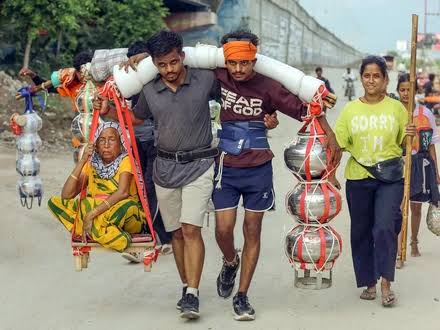
Kanwar Yatra is a spiritually meaningful journey that often involves walking long distances while carrying a Kanwar. Proper preparation can make the journey more comfortable, safe, and manageable. Whether you are an experienced Kanwariya or participating for the first time, taking care of your feet, staying hydrated, and managing your walking pace are important.
Here are some useful tips for managing long walking distances during Kanwar Yatra.
1. Start Preparing Before the Yatra
Do not wait until the Yatra begins to prepare your body. Start walking regularly several weeks before the journey. Gradually increase your walking distance so your legs and feet can adjust to longer periods of activity.
Regular walking can also help improve stamina and make long-distance walking easier.
2. Choose Comfortable Footwear
Wear comfortable and well-fitting footwear that you have already used before. Avoid wearing brand-new shoes or footwear during the Yatra because they may cause blisters and discomfort.
Choose footwear that provides good support and feels comfortable even after walking for several hours.
3. Maintain a Comfortable Walking Pace
Avoid walking too fast at the beginning of the journey. Maintain a steady and comfortable pace that you can continue for a longer period.
Taking a manageable pace can help reduce unnecessary fatigue and allow you to conserve energy for the rest of the journey.
4. Take Regular Rest Breaks
Long-distance walking becomes easier when you take short breaks at suitable intervals. Use designated rest stops and camps whenever possible.
During breaks, sit down, relax your legs, and check your feet for signs of blisters, swelling, or irritation.
5. Stay Hydrated
Walking for long hours can increase your need for fluids, especially in hot weather. Drink water regularly rather than waiting until you feel extremely thirsty.
Carry a reusable water bottle when practical and make use of safe drinking-water facilities along the route.
6. Protect Your Feet
Your feet carry you throughout the journey, so foot care is essential. Keep your feet clean and dry and change wet socks when necessary.
If you notice a developing blister or painful area, address it early instead of continuing until the problem becomes severe.
7. Eat Nutritious Food
Long-distance walking requires energy. Include simple, nutritious foods in your meals and snacks during the Yatra.
Fruits, dry fruits, bananas, light meals, and other easily digestible foods can be convenient options. Avoid skipping meals when you have many kilometres left to walk.
8. Stretch During Rest Periods
Gentle stretching during breaks can help you relax your legs after extended walking. Focus on comfortable movements for your calves, thighs, ankles, and feet.
Do not force a stretch if it causes pain.
9. Carry Only Essential Items
A heavy bag can make long-distance walking more tiring. Pack only the things you genuinely need for the journey.
Keep essential items such as water, basic personal-care products, identification, medicines prescribed for you, and emergency contacts easily accessible.
10. Listen to Your Body
Pay attention to signs of excessive tiredness, dizziness, unusual weakness, severe pain, or dehydration. Do not ignore serious symptoms simply to complete a particular distance.
If you feel unwell, stop walking, rest in a safe place, and seek help from medical or emergency services when needed.
11. Walk Carefully in Crowded Areas
Kanwar Yatra routes can become crowded, particularly around important stops and religious locations. Stay aware of people around you and avoid sudden movements.
Follow route instructions, traffic directions, and guidance provided by volunteers or local authorities.
12. Plan Your Route and Rest Stops
Before starting, learn about the route, approximate distance, available rest areas, water facilities, and medical assistance points.
Knowing where you can stop and rest can make a long journey feel more manageable.
Conclusion
Managing long walking distances during Kanwar Yatra becomes easier with proper preparation, comfortable footwear, regular hydration, nutritious food, and adequate rest. Maintain a steady pace, take care of your feet, and listen to your body throughout the journey.
A well-planned walking routine can help you focus more comfortably on the spiritual experience while taking sensible care of your health and safety.